Affirmations: Mind over Matter
Our mind is powerful. Henry Ford famously said, “If you think you can, or you think you can’t, you’re right.” Those thoughts in our heads have so much power. The power to love, heal, accept, honor our progress…. and the power to set us back, discourage, and disempower ourselves.
Affirmations are clearly something we need to pay more attention to and to pull into the healing space. We cannot heal if we don’t believe we can. We can get stuck in a variety of states… freeze and fawn stress responses can also arrive as “stuck states”, when we don’t acknowledge where we are and offer ourselves alternative ways to talk to ourselves when we are there.
Do any of these negative self-talk statements sound familiar?
“I always mess up.”
“I just can’t do it, I am not able to stick to it.”
“Why can’t I have love that doesn’t hurt me?”
“What’s wrong with me?”
“Maybe I don’t deserve peace.”
“I guess my life will always be this way.”
As you read these statements, do they sound familiar? How does your body feel when you say them? Do you notice a shift in feeling state? I noticed when I typed them in that I actually felt sad and discouraged. Did you? And this was just an exercise. What if we had negative core beliefs that were running the show?
Negative limiting core beliefs are deeply ingrained, unconscious assumptions about yourself, others, and the world that you treat as absolute truths. They act like a permanent filter, running under the surface, skewing how you interpret events and driving self-sabotage, anxiety, or low self-esteem.
Research has shown that affirmations help address negative core beliefs and offer an alternative path. People recover faster when they expect to recover faster. The Self-Affirmation Theory posits that humans are fundamentally motivated to maintain a positive self-view; a view of ourselves as good, virtuous, and having control over some of the important aspects of our lives.
Scientists have since discovered that when people write self-affirmations, they tend to subsequently make positive, healthy life choices and even feel a stronger, larger sense of self.
Read more about the power of affirmations here.
What might happen if affirmations were a part of your daily self-care practice?
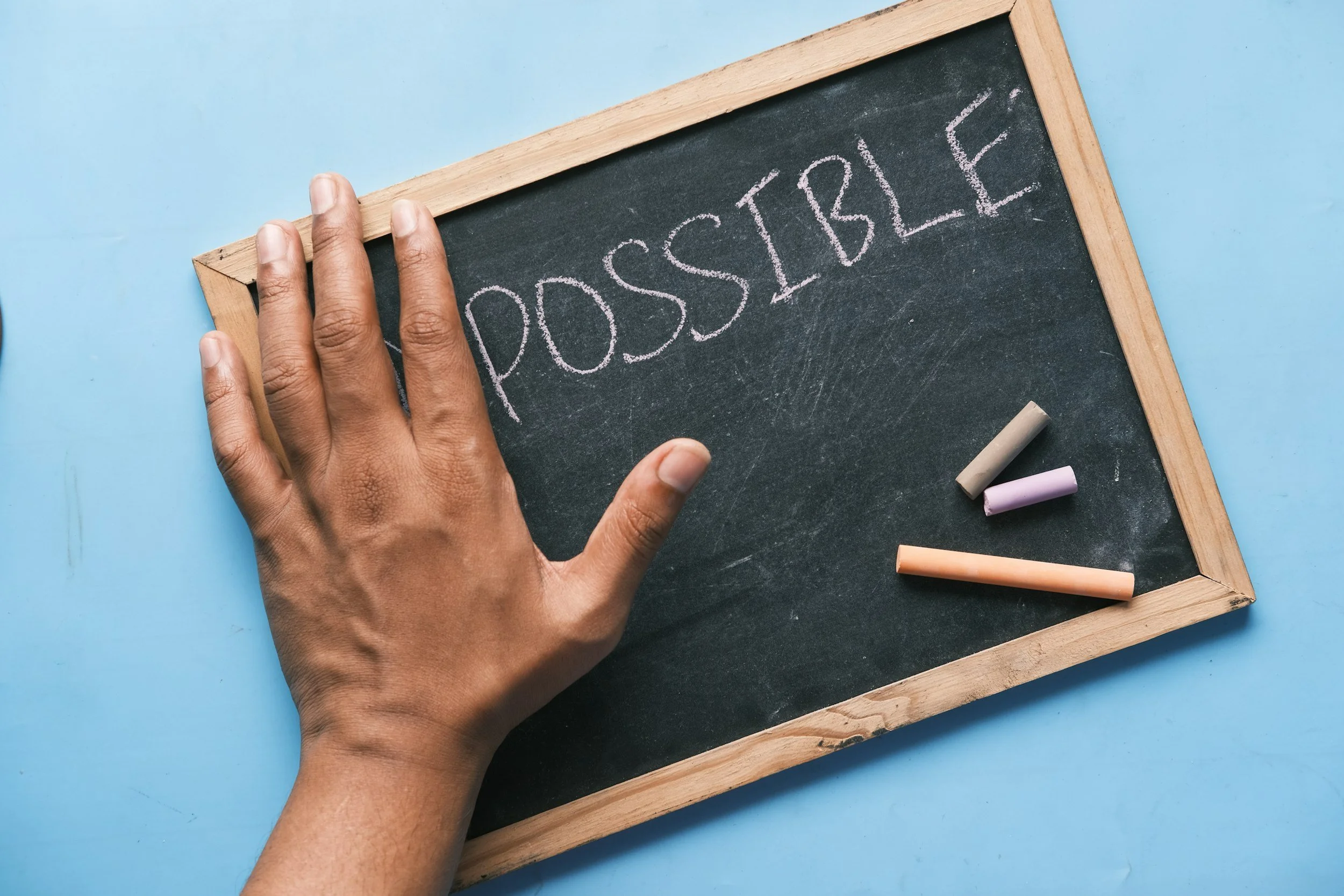
Reflection prompt:
Creating affirmations that are closest to where you are tends to be more helpful. Also, using your name in the affirmation, as if talking to yourself in the 3rd person, may be more effective than 1st-person “I Statements”. What statements have an impact on you? Do you notice a difference in your outlook or mindset after repeating affirmative statements?
Here is a list of affirmations that may resonate.
When you use the following affirmations, what comes up for you? Feeling states or sensations? Is there a color or shape that arrives, or does your disposition shift? There is no wrong answer.
Affirmations for Self-Trust
I can do my best today, and that is good enough.
I can care about others, and not have to fix or rescue them.
I will put myself and my needs first at some point today and not feel guilty.
I can grieve for a moment, then find relief in something positive.
I can be grateful for what I am learning about myself and others.